

+918048031351

Currently it only shows your basic business info. Start adding relevant business details such as description, images and products or services to gain your customers attention by using Boost 360 android app / iOS App / web portal.

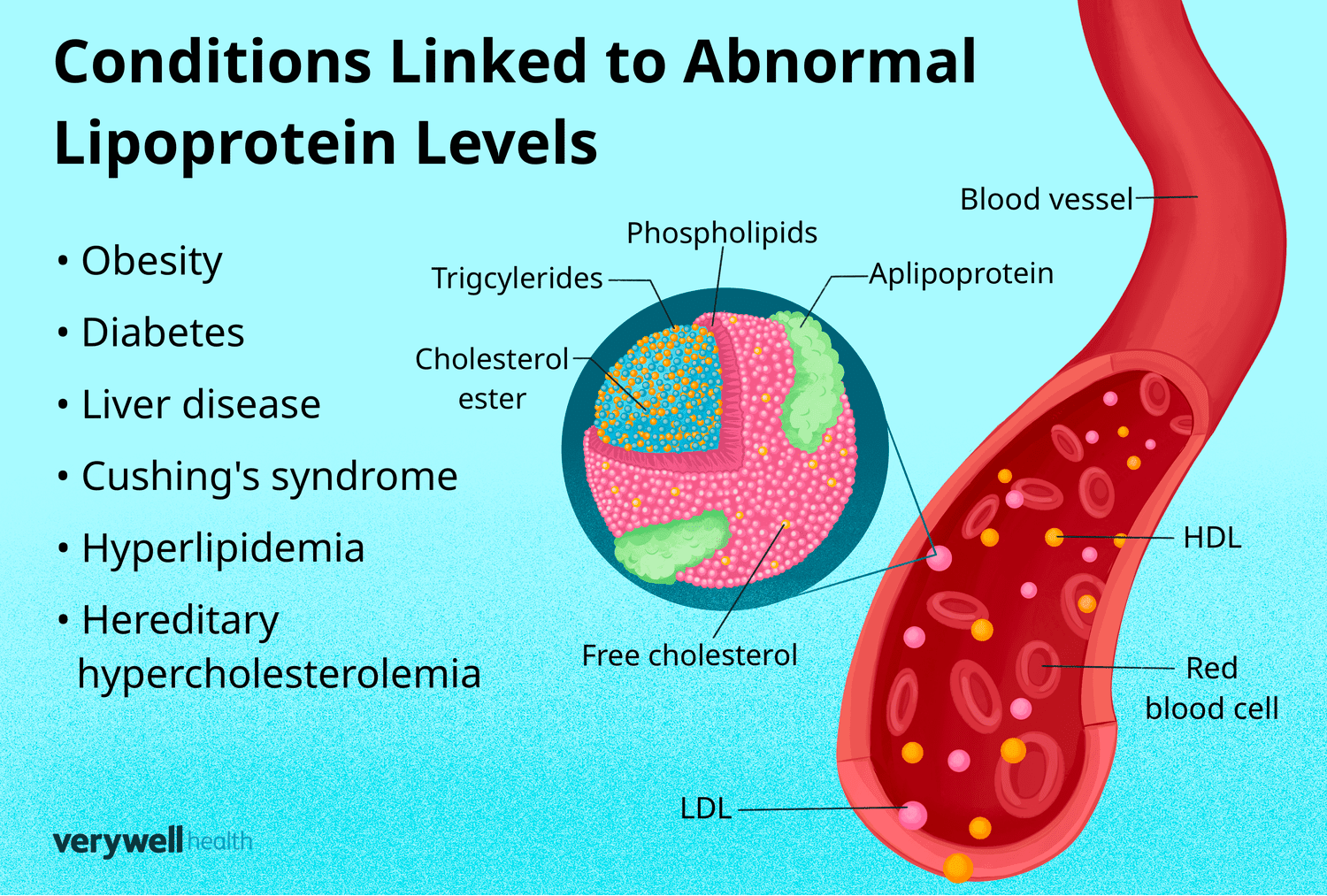
best cardiac clinics near me Obesity typically causes low, not high, HDL cholesterol (often called 'good' cholesterol), contributing to atherogenic dyslipidemia. If an obese person has high HDL, it is likely due to non-obesity-related factors like genetics, medication, or high-intensity exercise. Obese individuals generally have reduced HDL due to increased triglyceride-rich lipoproteins and enhanced catabolism of HDL particle Why HDL is Usually Low (Not High) in Obesity: Faster Breakdown: Obesity causes increased uptake of HDL2 by fat cells and increased breakdown (catabolism) of apolipoprotein A-I, reducing overall HDL levels. Metabolic Syndrome: Obesity is associated with high triglycerides and low HDL, which are part of metabolic syndrome and insulin resistance. Reduced Production: The conversion of the HDL precursor (pre-beta1) to mature functional particles is decreased in obese states. If HDL is Unexpectedly High: While rare in typical metabolic obesity, high HDL can occur if the individual is: Exercising excessively: Even with obesity, high-intensity aerobic exercise can boost HDL levels. Medicated: Certain medications (like statins or niacin) can raise


